55,000 UGX
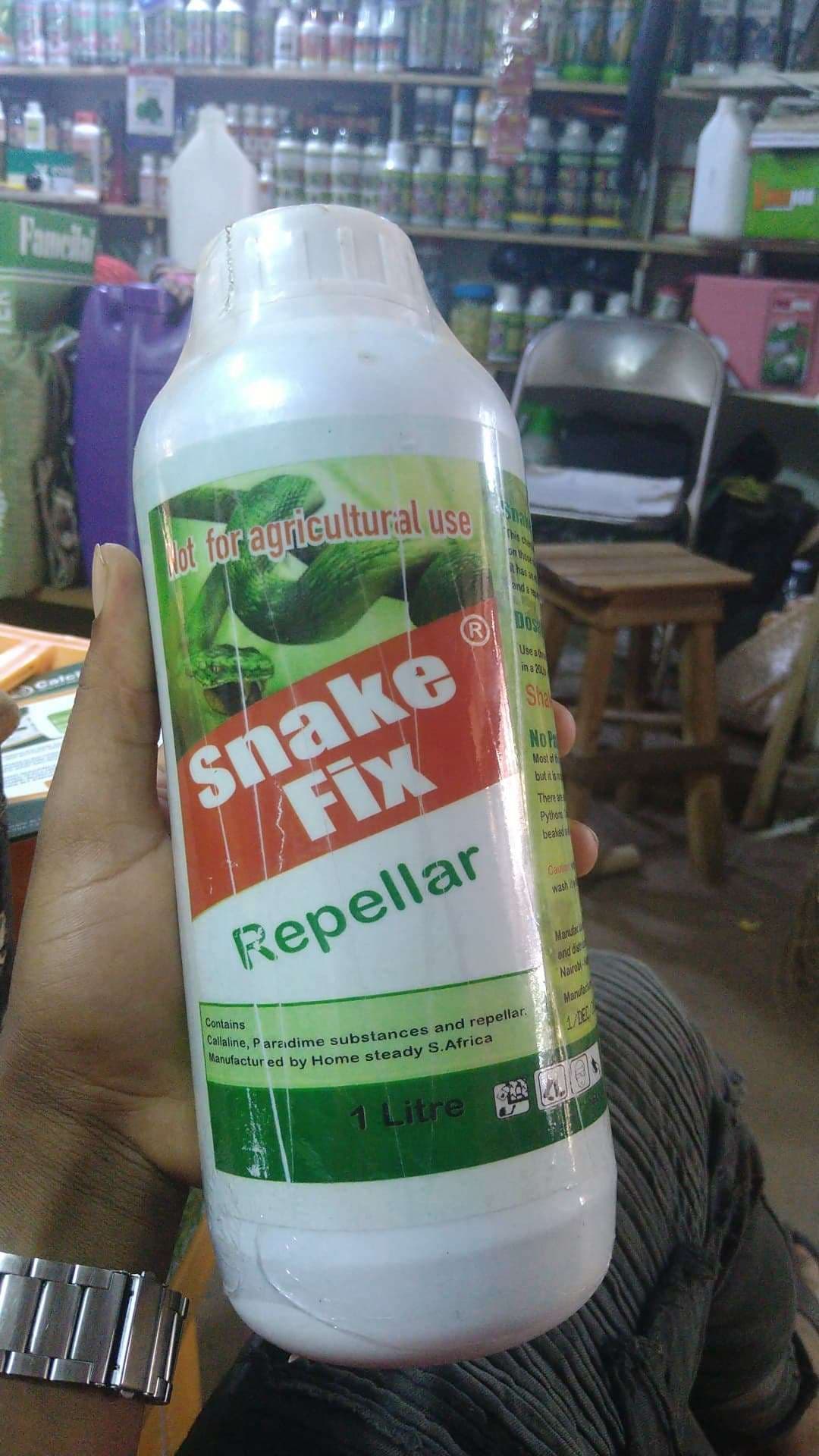
SNAKE FIX REPELLAR
Not for agricultural use
Kampala, Central Region, Uganda
5 months ago
2,500 UGX
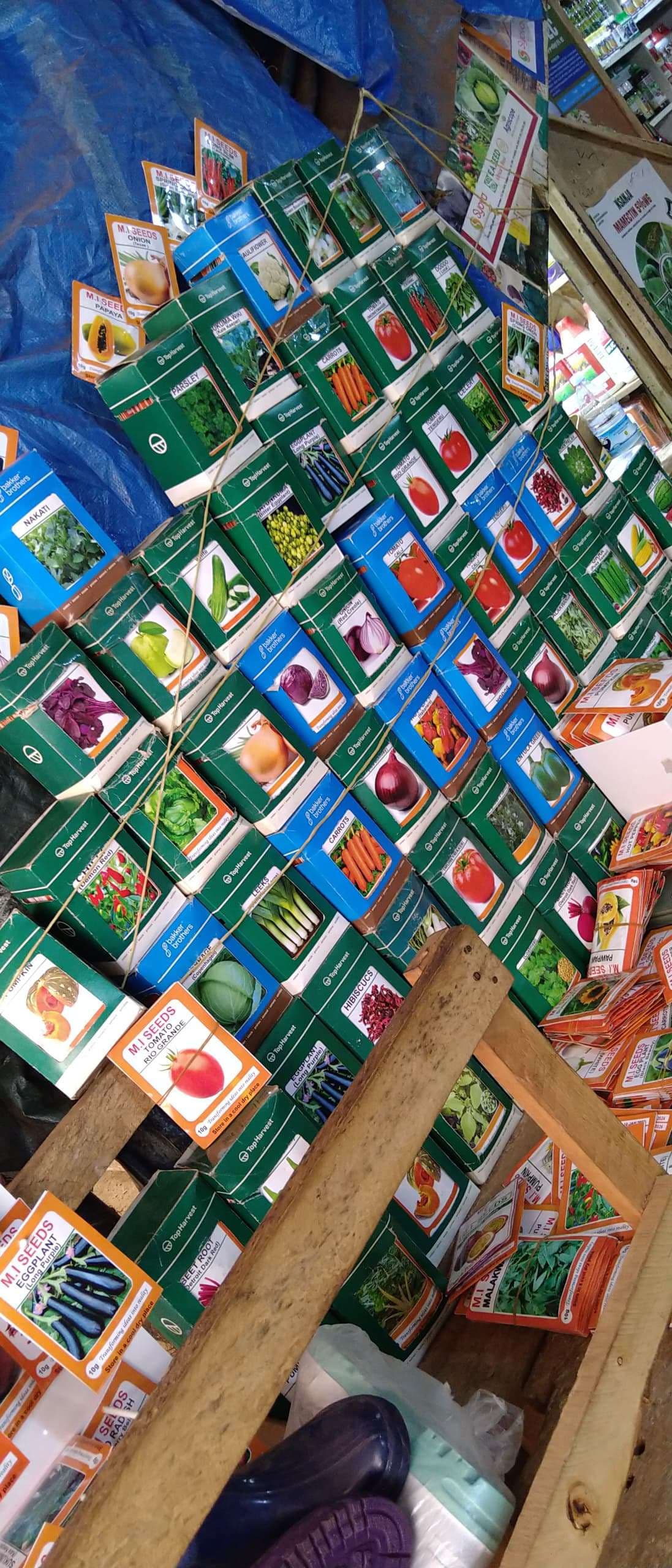
CERTIFIED SEEDS
For quality yelids at low costs of 2500 per each
21,000 UGX
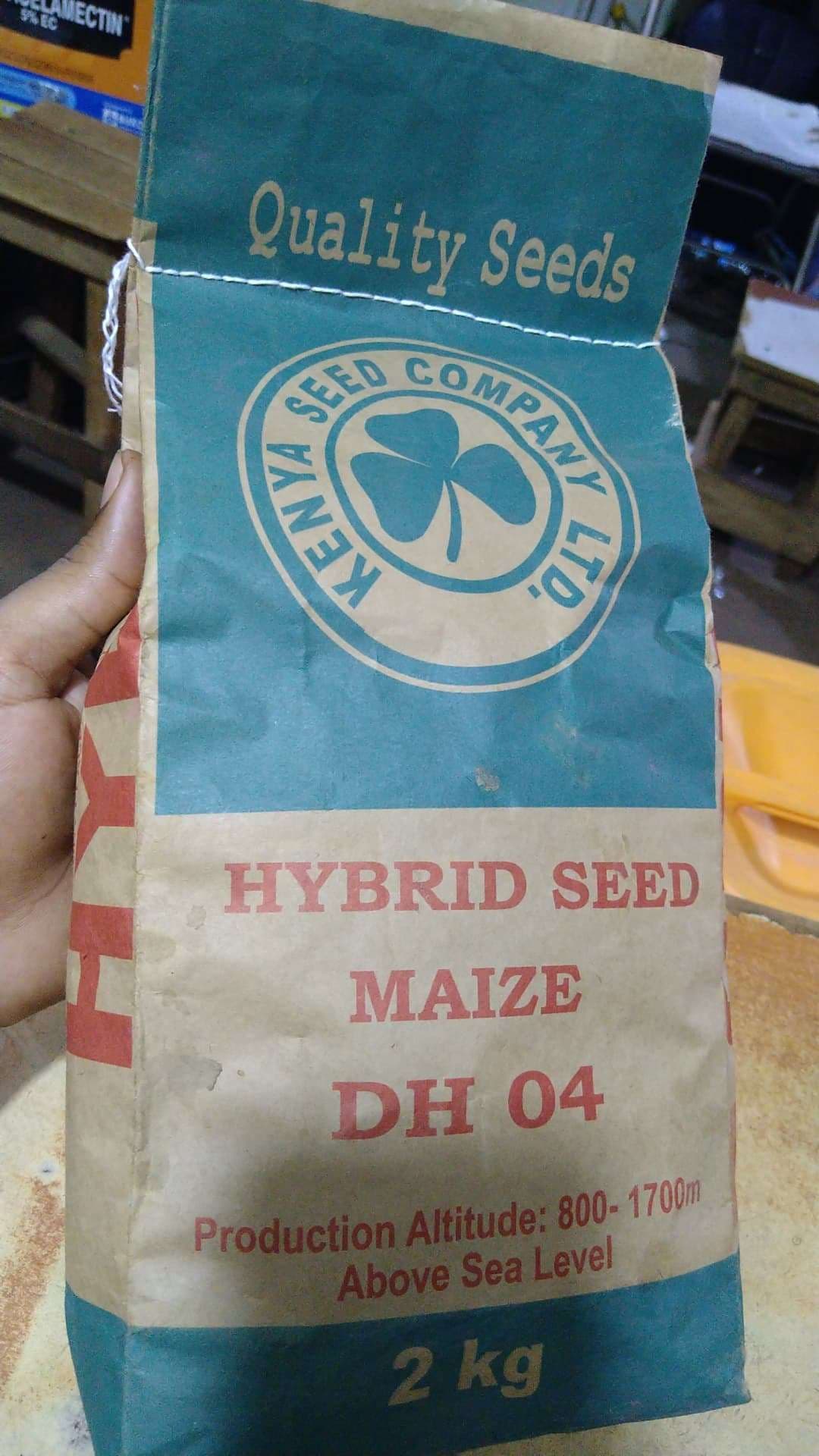
HYBRID MAZIE QUALITY SEEDS
For quality yields
100,000 UGX
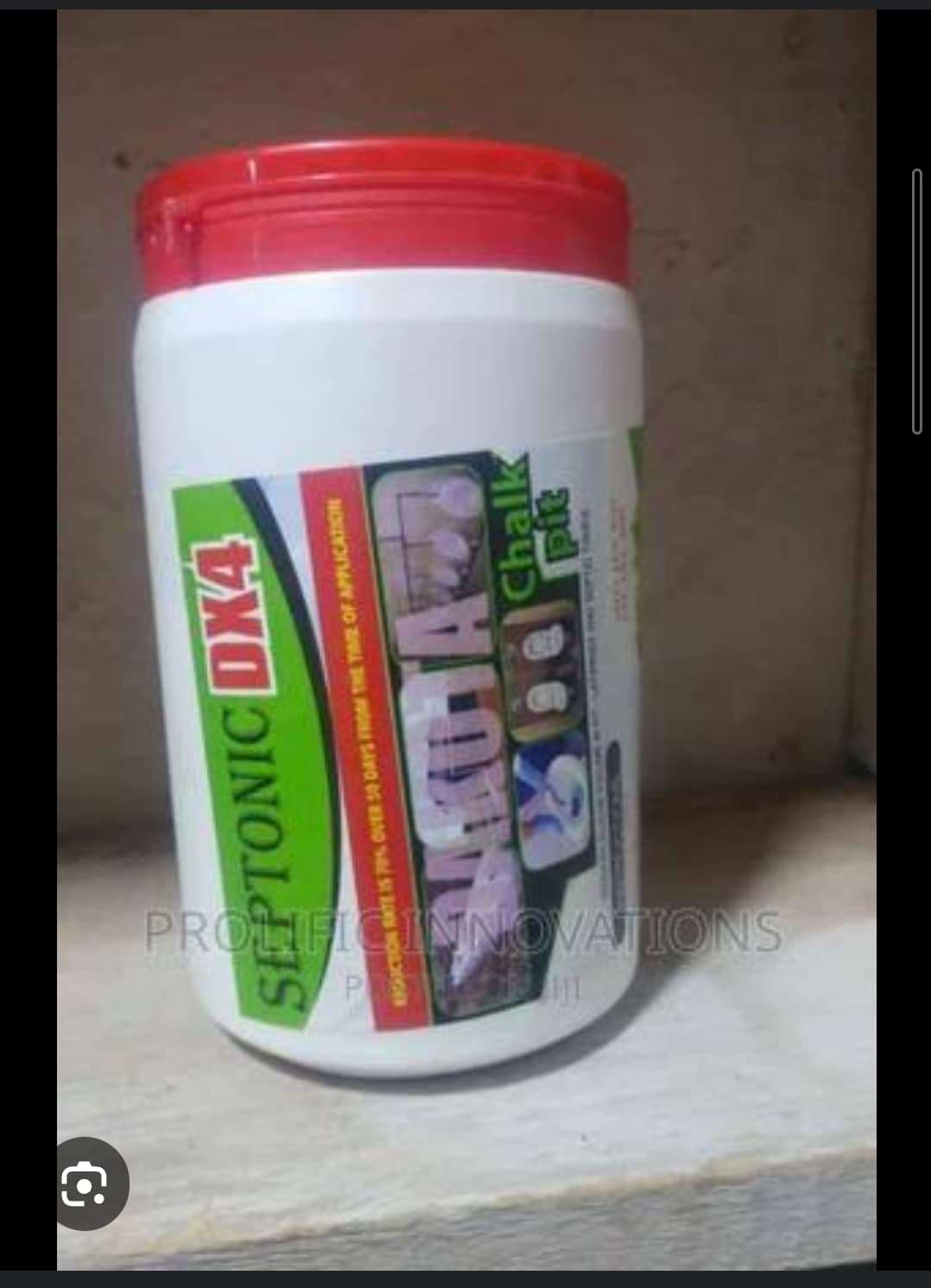
SEPTONIC DX4
For pit latrine drainage
35,000 UGX
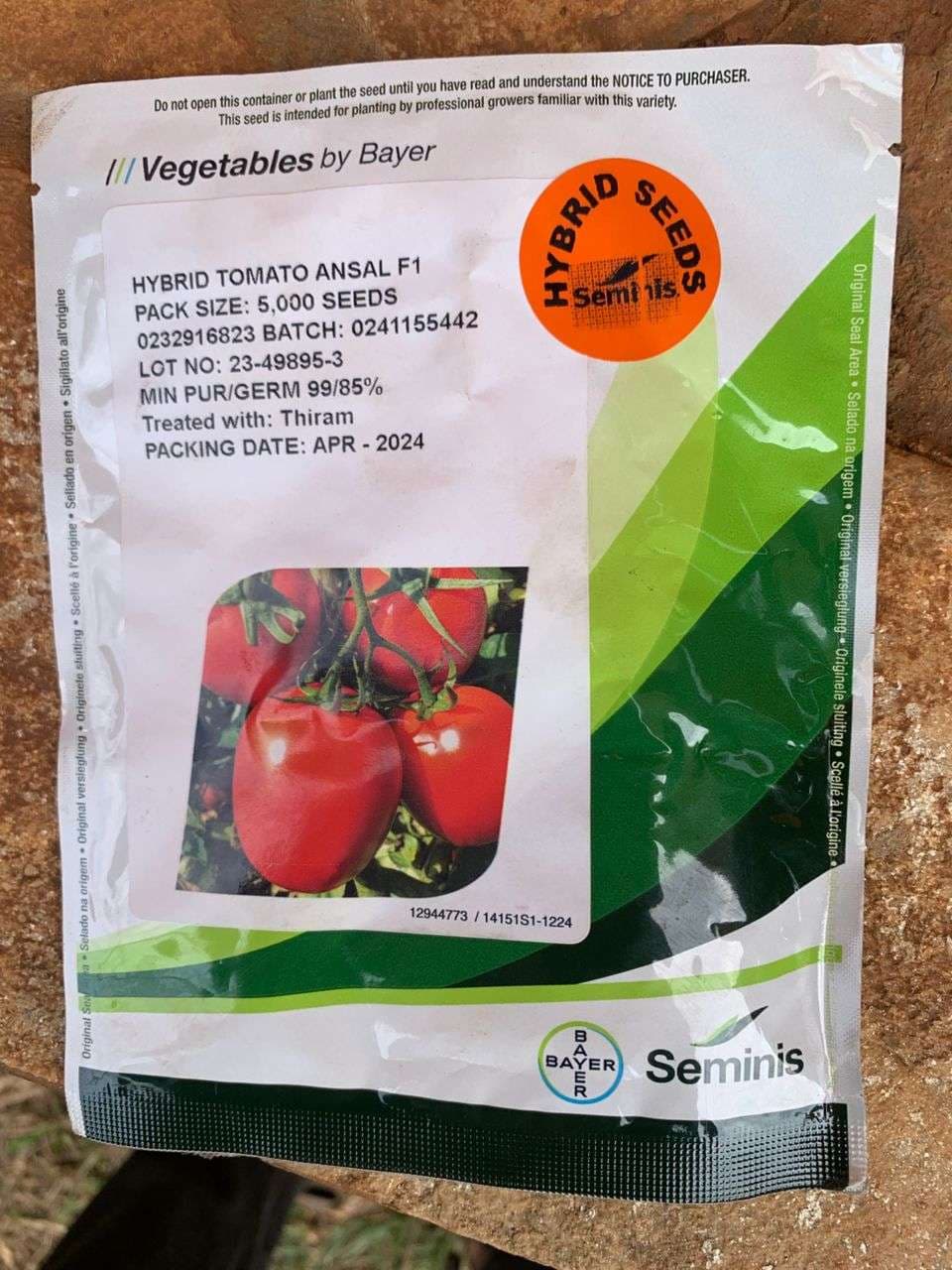
HYBRID TOMATO SEEDS
High quality seeds for quality yields ansal seeds consisting 5000 seeds
75,000 UGX
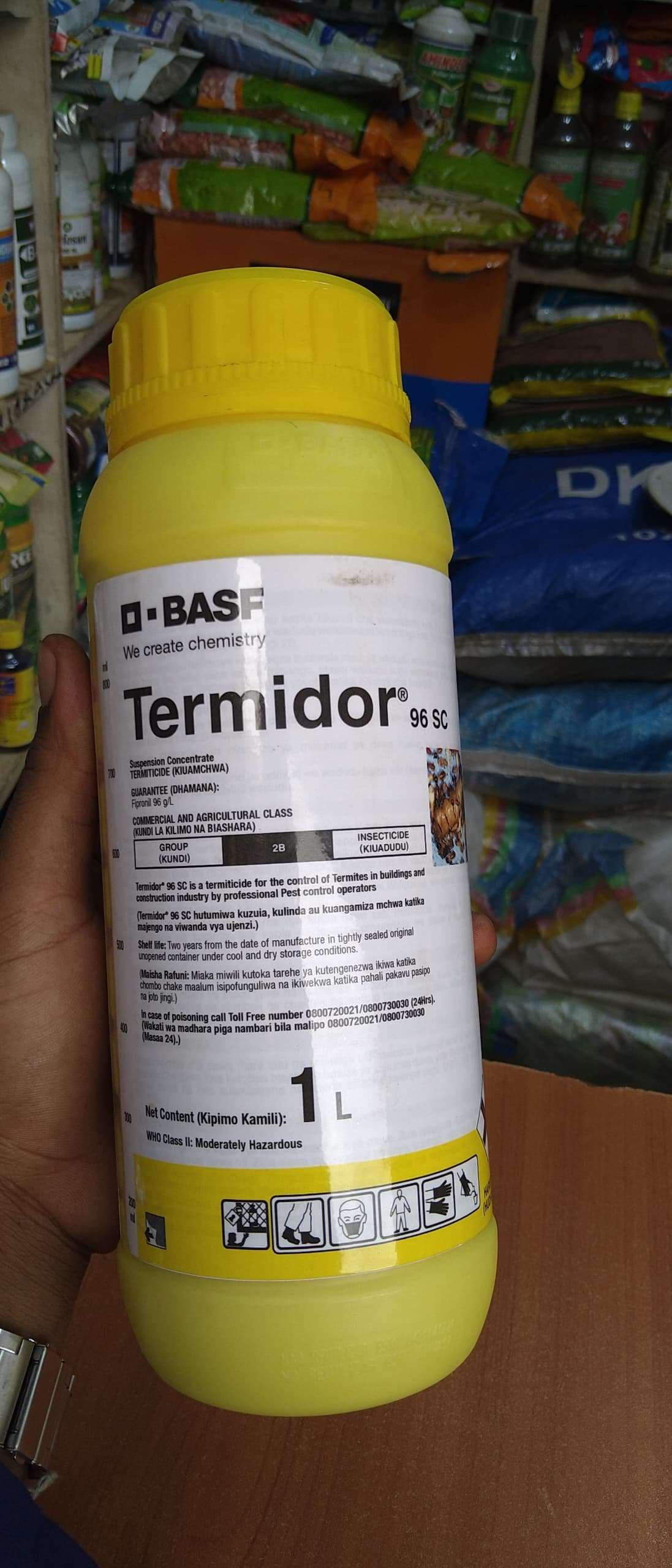
TERMICIDE TERMIDOR
for terminating termites
50,000 UGX
farm medicine
cures certain animal diseases
30,000 UGX
fertilizers
improve on your yeilds
Kampala District, Central Region, Uganda
3,000 UGX
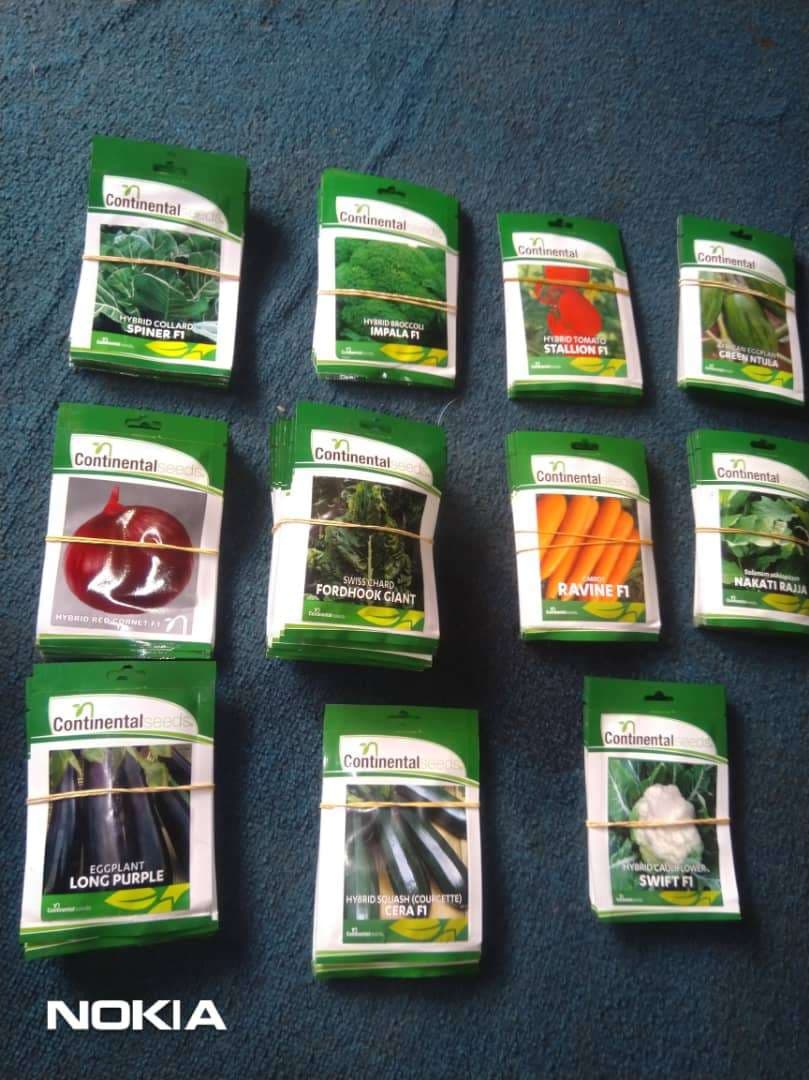
Feeds, supplements and seeds
Seeds for different plants
120,000 UGX
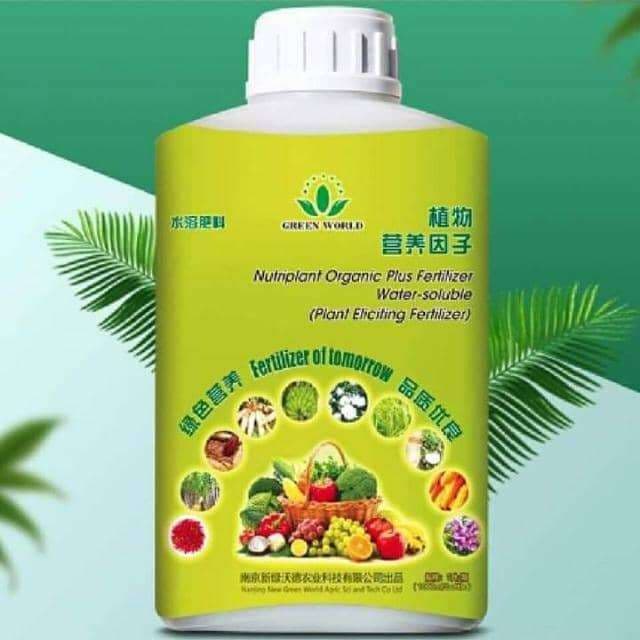
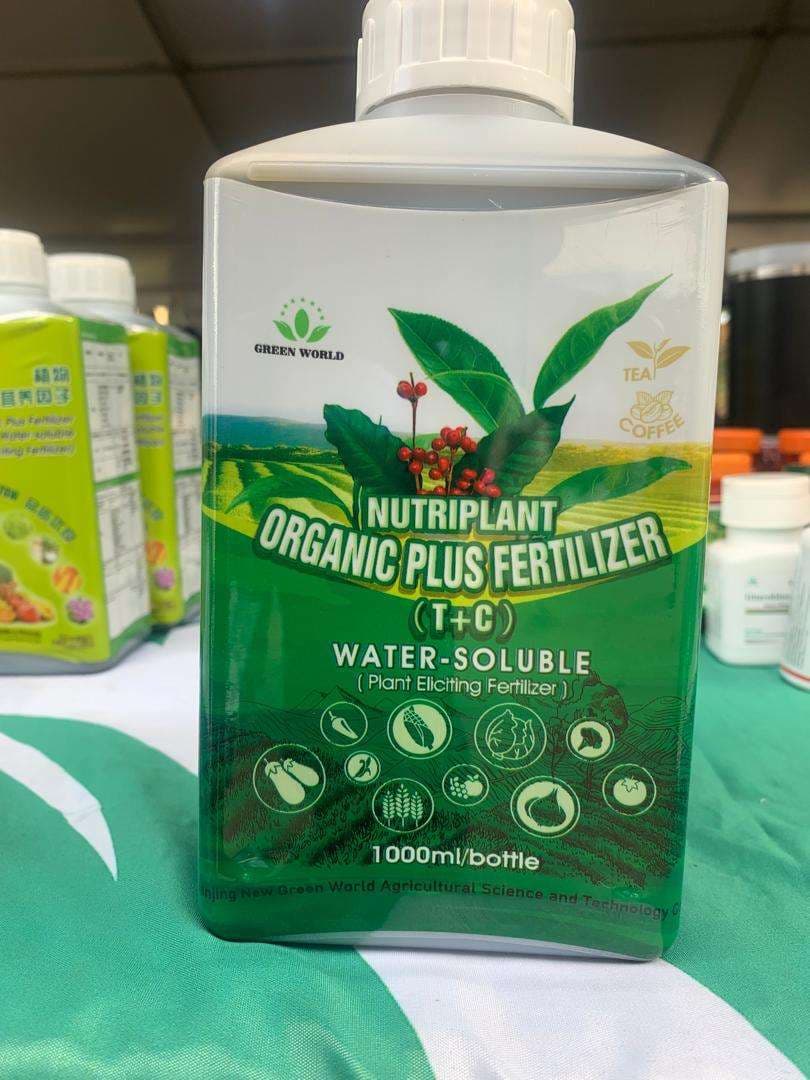
Nutriplant organic and fertilizer
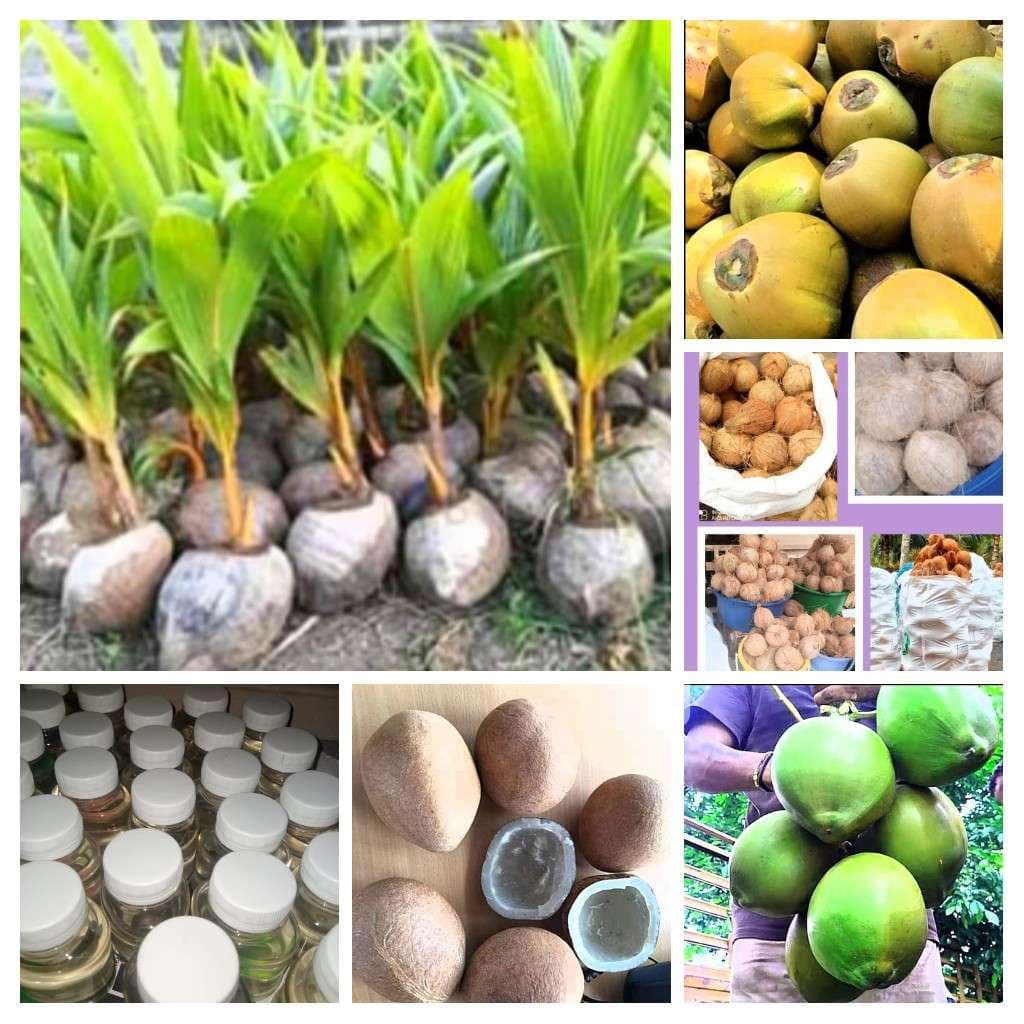
Coconut Seedlings
Quality Coconut Seedling: 1. **Origin and Description** - **Plant:** The coconut seedling is the germinated form of the coconut palm (*Cocos nucifera*), a tropical tree native to coastal regions of Southeast Asia and the Pacific. - **Seed Structure:** A mature coconut consists of: - **Husk:** Fibrous outer layer (used for coir). - **Shell:** Hard inner layer protecting the seed. - **Endosperm:** The edible "meat" and coconut water. - **Embryo:** Located near one of the three "eyes" (germination pores). 2. **Germination Process** - **Natural Germination:** Coconuts float and disperse via ocean currents, sprouting when washed ashore in warm, sandy soil. - **Stages:** 1. **Root Emergence:** A single root sprouts from the embryo (takes 3–6 months). 2. **Shoot Development:** A green shoot (plumule) emerges, followed by fronds. 3. **Early Growth:** The seedling develops roots and leaves over 6–12 months. 3. **Planting and Care** - **Selecting a Coconut:** Choose a mature, undamaged coconut with water inside (shake to test). - **Preparation:** Soak in water for 2–3 days to soften the husk. - **Germination Methods:** - **Horizontal Burial:** Lay the coconut horizontally in soil, partially buried. - **Vertical Planting:** Place upright with the "eyes" facing upward. - **Soil:** Well-draining, sandy soil with organic matter. - **Environment:** - **Temperature:** 25–35°C (77–95°F); frost-sensitive. - **Sunlight:** Full sun (6–8 hours daily). - **Watering:** Keep soil moist but not waterlogged. 4. **Common Challenges** - **Pests:** Rhinoceros beetles, coconut mites, and rodents. - **Diseases:** Bud rot (caused by *Phytophthora* fungi), lethal yellowing disease. - **Environmental Stress:** Drought, waterlogging, or nutrient-deficient soil. 5. **Growth Timeline** - **Seedling Stage:** 6–12 months (requires protection from harsh conditions). - **Juvenile Palm:** 3–5 years to develop a trunk. - **Maturity:** Begins fruiting in 6–10 years, producing coconuts for up to 80 years. 6. **Uses of Coconut Seedlings** - **Food Production:** Grown for coconuts (water, meat, oil). - **Coir and Fiber:** Husk used for ropes, mats, and gardening products. - **Ornamental:** Popular in tropical landscaping. - **Ecological Role:** Stabilizes coastal soils and supports biodiversity. 7. **Precautions** - **Space Requirements:** Coconut palms grow tall (up to 30 meters/100 feet) and need ample space. - **Germination Failure:** Not all coconuts sprout; select viable seeds. - **Safety:** Falling coconuts can pose hazards once the tree matures. Coconut seedlings are the foundation of one of the world’s most versatile tropical trees, offering economic, ecological, and cultural value. Successful growth requires patience, proper care, and a suitable climate.
Mukono, Central Region, Uganda
80,000 UGX
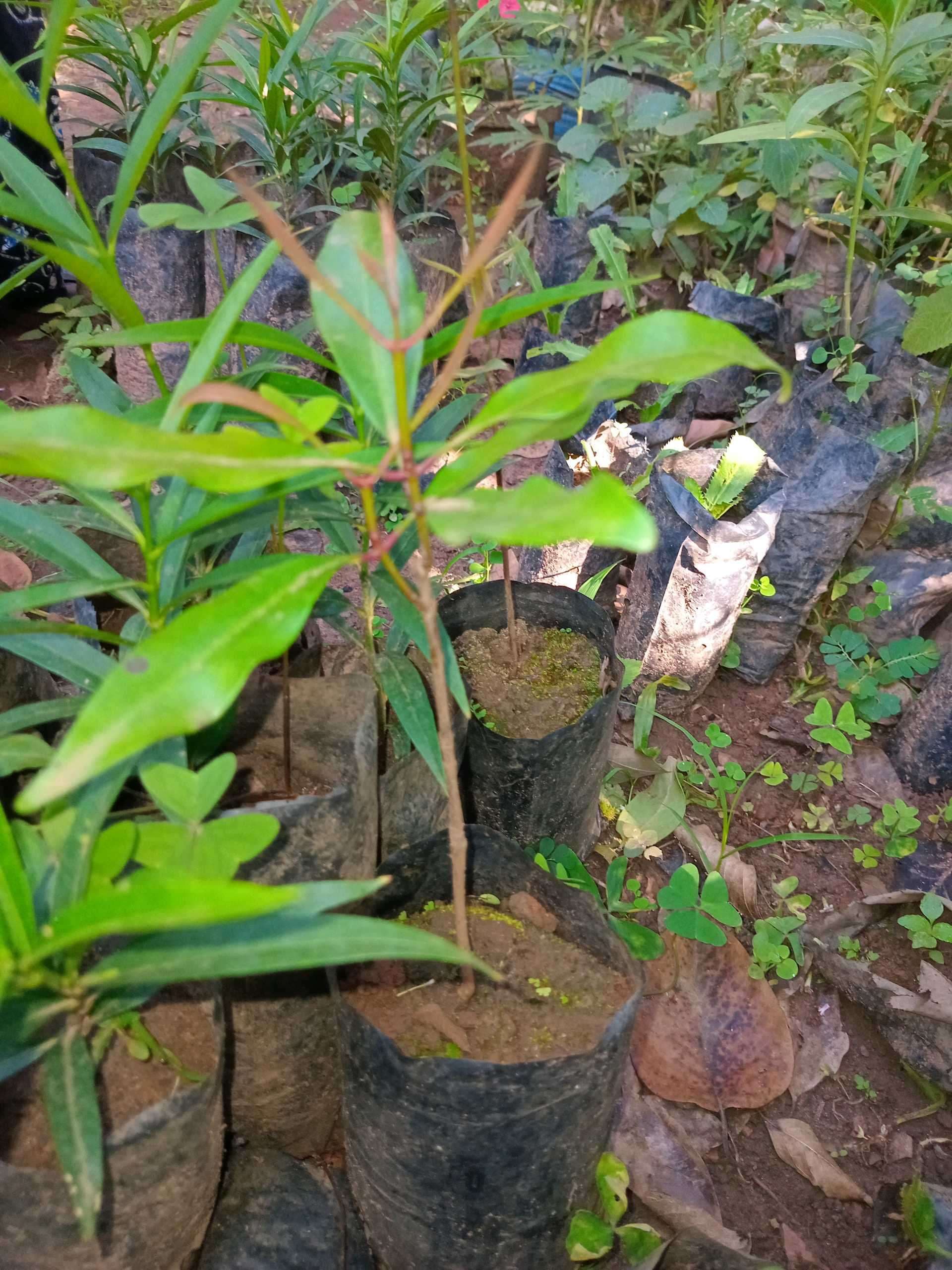
CLOVES Seedlings
Good quality cloves seedlings 1. **Origin and Description** Cloves are the aromatic flower buds of the *Syzygium aromaticum* tree, native to the Maluku Islands (Indonesia). Harvested before blooming, they are dried and used whole or ground. Their name derives from the Latin *clavus* (nail), resembling their shape. 2. **Culinary Uses** - **Flavor Profile:** Intensely warm, sweet, and slightly bitter with a pungent aroma. - **Common Applications:** - Key in spice blends (e.g., garam masala, pumpkin spice). - Enhances baked goods (gingerbread, fruit pies), mulled beverages, and savory dishes (curries, stews, ham glazes). - Often paired with cinnamon, nutmeg, or black pepper. - **Tip:** Use sparingly—1–2 cloves can flavor a dish for 4–6 people. 3. **Medicinal Properties** - **Active Compound:** Eugenol (70–90%), a natural antiseptic and analgesic. - **Traditional Uses:** - Toothache relief (clove oil applied topically). - Digestive aid (e.g., in Ayurveda for reducing nausea/bloating). - Antioxidant and anti-inflammatory effects (studies suggest potential for managing blood sugar and oxidative stress). - **Modern Applications:** - Clove oil in dental products (temporary fillings, mouthwashes). - Research into antimicrobial properties against pathogens like *E. coli*. 4. **Historical and Cultural Significance** - **Spice Trade:** Among the most prized spices in ancient trade, driving European colonization in Asia. - **Cultural Uses:** - Chinese medicine: Used for over 2,000 years to treat ailments like diarrhea and hernia. - Indonesian kretek cigarettes: Contain clove for flavor and numbing effect. - European Middle Ages: Symbolized prosperity and used in preserving food. 5. **Other Applications** - **Aromatherapy:** Clove oil is believed to reduce stress and purify air. - **Home Use:** - Natural insect repellent (e.g., in sachets against moths). - DIY pomanders (clove-studded oranges) for festive fragrance. - **Cosmetics:** Found in perfumes and topical creams for its scent and antimicrobial properties. 6. **Precautions** - **Clove Oil:** Always dilute with a carrier oil (e.g., coconut) to avoid skin irritation. - **Consumption:** Excessive amounts may cause gastrointestinal upset or liver damage. Avoid during pregnancy/nursing without medical advice. - **Dental Use:** Prolonged application can damage gums; consult a dentist for persistent pain. Cloves remain a versatile spice with rich historical roots and diverse modern applications, from culinary arts to holistic health. Always prioritize moderation and consult professionals for therapeutic use.
Loading...